Responsibility is supposed to give life meaning.
That’s the deal we’re sold early on, without footnotes. Take care of someone. Be dependable. Carry the weight. In return, you get purpose.
Fatherhood is a responsibility in its purest form. It asks you to be present, protective, relentless. It asks you to believe your effort matters. That your love changes outcomes.
Sculpting Greta Stone asks a question most stories avoid.
What happens when responsibility doesn’t free you… but traps you?
Not because you don’t love enough.
But because love refuses to let go.
The Quiet Contract of Fatherhood
No one tells fathers the contract is unending.
There is no exit clause. No moment where responsibility expires because you are tired, afraid, or broken. Once you are needed, the need becomes permanent, even when nothing you do seems to help.
Jake Stone steps fully into that role after loss reshapes his life. Fatherhood becomes his axis. His reason. His moral center. Every decision bends around Greta’s well-being.
At first, responsibility feels grounding. It creates structure. It gives grief somewhere to go. Protecting his daughter becomes a way to survive his own pain.
This is how responsibility earns our loyalty.
It gives us somewhere to stand.
Until standing starts to hurt.
When Duty Outlives Hope
There is a moment in caregiving stories where responsibility shifts its weight.
You are no longer acting because you believe things will improve. You are acting because stopping feels unthinkable.
Jake does not stop being responsible when addiction enters Greta’s life. He becomes more so. More vigilant. More exhausted. More trapped inside a role that demands everything while offering no reassurance in return.
This is where fatalism quietly enters the room.
Not as despair. But as realism that feels suspiciously like surrender.
You keep going because you must.
Not because you believe.
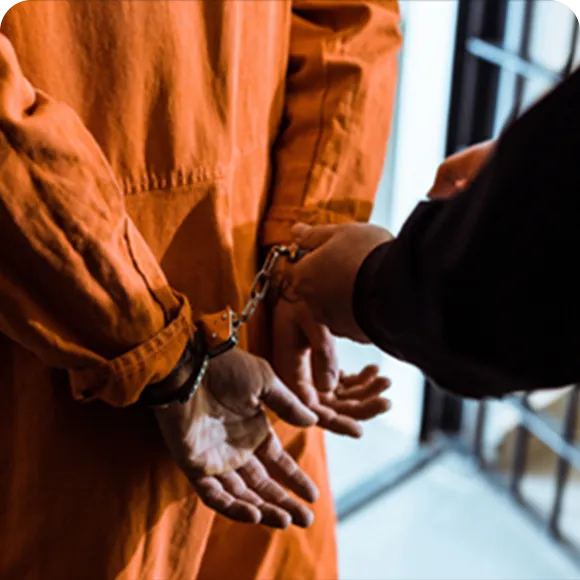
The Prison Without Bars
A prison does not need walls to function.
Sometimes it is built from obligation, repetition, and love that refuses to abandon its post. Responsibility becomes invisible confinement when it no longer includes choice.
Jake cannot walk away. Not morally. Not emotionally. Not psychologically. Every instinct, every lifetime of belief about what a father is, pushes him to stay.
And so he does.
But staying begins to cost him pieces of himself. Sleep. Balance. The ability to imagine a future that doesn’t revolve around crisis management.
Responsibility keeps him upright, but it also keeps him stuck.
Love and the Illusion of Control
Fatherhood trains men to believe control is part of care.
If you watch closely enough. If you intervene early enough. If you discipline correctly. If you love consistently enough.
Then outcomes will align.
Addiction destroys that illusion without mercy.
Jake learns, painfully, that responsibility does not equal authority. Love does not grant power over another person’s choices. Fatherhood does not come with override privileges.
This realization doesn’t weaken his responsibility. It sharpens it. Now he must continue without believing he can steer the result.
That is not empowerment.
That is endurance.
Fatalism as Emotional Self-Defense
Fatalism sounds cruel until you understand why it arrives.
It protects the caretaker from complete collapse. It creates emotional distance where hope has failed too often. It says: This may not end well, but I will still show up.
Jake does not give up. He adapts. He lowers expectations not because he loves less, but because loving with expectation has become too painful.
Fatalism here isn’t apathy.
It’s emotional triage.
You accept that you cannot fix everything, so you choose not to destroy yourself trying.
When Responsibility Erases the Self
One of the most unsettling truths in Sculpting Greta Stone is how easily responsibility consumes identity.
Jake is not just a father. He becomes a constant responder. A problem solver. A witness to suffering. His own needs quietly disappear under the urgency of Greta’s struggle.
There is no space to ask what he wants. Or who he is beyond this role.
Responsibility, when unrelenting, narrows life. It reduces the world to one corridor with no side exits.
And yet, stepping outside that corridor feels like betrayal.
This is how prisons stay effective. They convince you leaving would be worse.
The Moral Weight of Staying
Stories often praise those who stay no matter the cost.
This one complicates that narrative.
Staying is not always heroic. Sometimes it is simply inevitable. Sometimes it is what happens when love refuses to evolve into anything less demanding, even when the price becomes cruel.
Jake’s responsibility is not chosen daily. It is assumed automatically. Reflexively. As if choice ended the day fatherhood began.
The question is no longer “Should I stay?”
It is “Who would I be if I didn’t?”
And for Jake, that question has no survivable answer.
Can Responsibility Be Reclaimed?
The story does not offer easy liberation from this prison.
But it does hint at something softer. A shift, not an escape.
Responsibility does not have to mean control. It does not have to mean constant sacrifice without acknowledgment. It can exist alongside limits, even when outcomes remain unchanged.
Jake’s journey suggests that responsibility survives best when it stops pretending to be omnipotent.
When it allows itself to be human.
Final Thoughts: The Cost of Never Leaving
So, can responsibility become a prison?
Yes. Especially when love makes escape morally impossible.
Sculpting Greta Stone does not condemn fathers who stay. It honors the cost they absorb quietly. It shows how duty, when stretched beyond hope, becomes something heavier than purpose.
Yet even inside this prison, something remains intact.
Care. Presence. Refusal to disappear.
Responsibility may confine.
But it also proves something devastatingly simple.
Even when freedom disappears, love can still choose to remain. And sometimes, that choice is the only thing holding the walls apart.